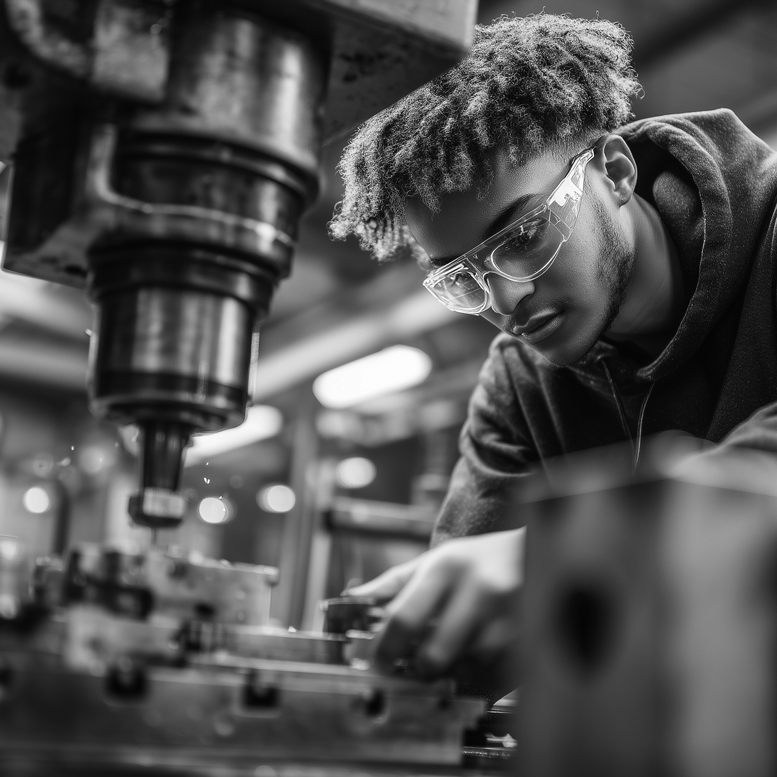
MACHINIST
Machinists create the precision parts that keep airplanes, vehicles, medical equipment, and manufacturing systems running. Using advanced machines, computer-controlled equipment, and technical skills, they transform raw materials into finished products that meet exact specifications and quality standards.
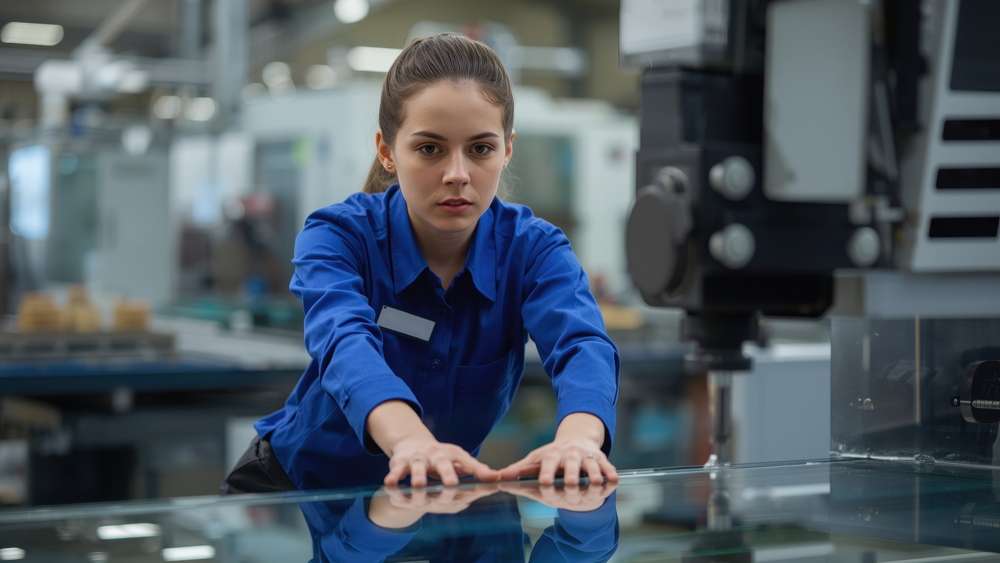
I want to be a
Machinist
and make over
$50,380-$95,820
per year.
How Do I Get Started?
Interested in becoming a machinist? Start by talking with your high school counselor about enrolling in a Manufacturing pathway. Courses in manufacturing technology, robotics, engineering, automation, and related fields can help you build the foundational skills needed for technical training and a successful career in advanced manufacturing.
High School
Enroll in a Manufacturing or Engineering pathway.
Technical Training
Earn a certificate or associate degree through McLennan Community College or Texas State Technical College.
Internship or Apprenticeship
Gain hands-on experience working with manufacturing equipment and production processes.
CNC Machinist
Operate computer-controlled machinery to produce precision parts and components.
Advanced Manufacturing Technician
Advance into programming, quality control, supervision, or specialized manufacturing roles.
local Education Options
After completing a Construction or Skilled Trades pathway in high school, students can continue their education through programs at Texas State Technical College, McLennan Community College, or apprenticeship and trade training programs. These opportunities provide advanced instruction in plumbing systems, construction technology, blueprint reading, and related trades that can lead to careers as plumbers, pipefitters, project managers, and other in-demand skilled trades professionals.

McLennan Community College
Manufacturing & Workforce Training

Baylor University
Engineering Programs
Texas State Technical College
Precision Machining Technology

Tarleton State University - Waco
Engineering Technology
area industry employers
After high school, students can continue building their skills through technical certificates, associate degrees, or bachelor's degree programs. These programs prepare graduates for careers in machining, manufacturing, engineering, and industrial technology.
READY TO GET STARTED?
A career in machining offers the opportunity to create the precision parts that power industries around the world. From aerospace and advanced manufacturing to industrial equipment and emerging technologies, machinists play a critical role in building the products that keep our economy moving. Through local education programs, hands-on training, and partnerships with Greater Waco employers, students can develop valuable technical skills and prepare for rewarding careers in one of the region's most important industries.